Jerez: Visit to Sherry Country
|
|
Arriving in Jerez, (official name: Jerez de la Frontera) I was not emotionally prepared to discover how unique this town is.
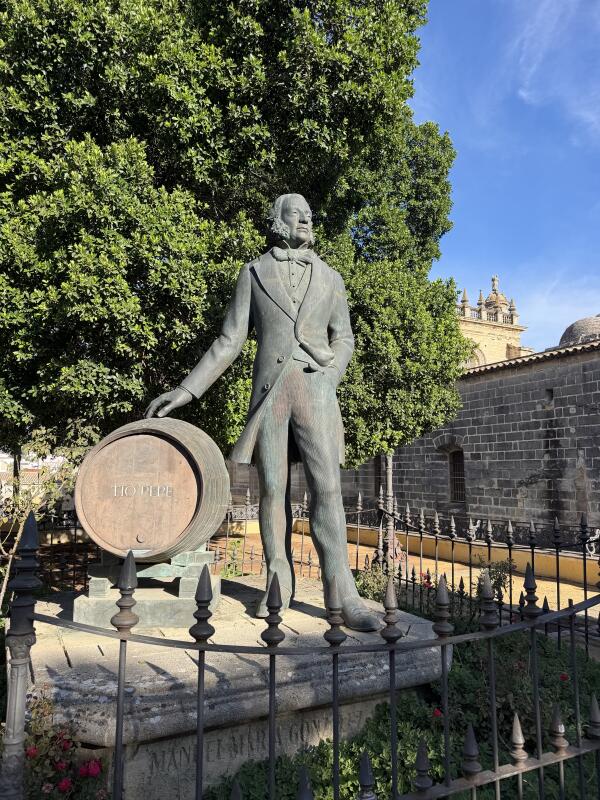
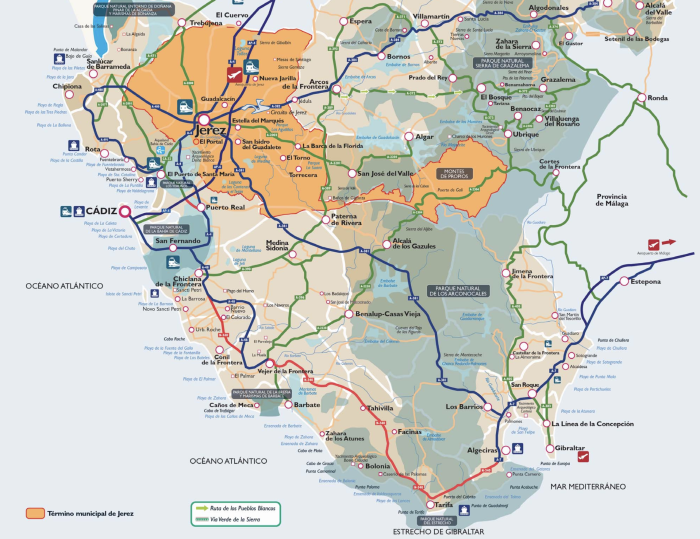
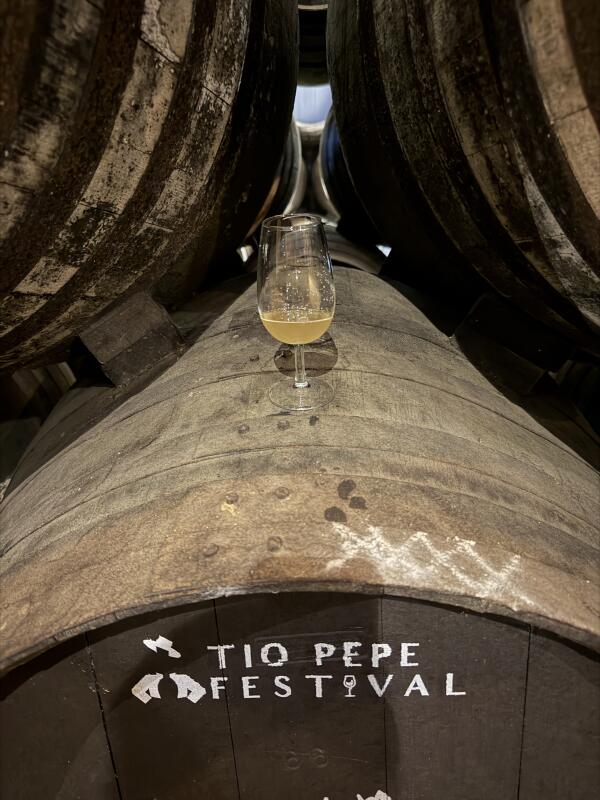
Jerez is about one hour by train from Sevilla (home of Seville oranges), in the hot and dry province of Cadiz, (and the port from which Christopher Columbus sailed in 1492 and not far from the site of the Battle of Trafalgar, 1805) and in the autonomous region of Andalusia, home of Flamenco dancing, the Andalusian horse and Sherry Wine, specifically Tio Pepe (pictured above).
|
|
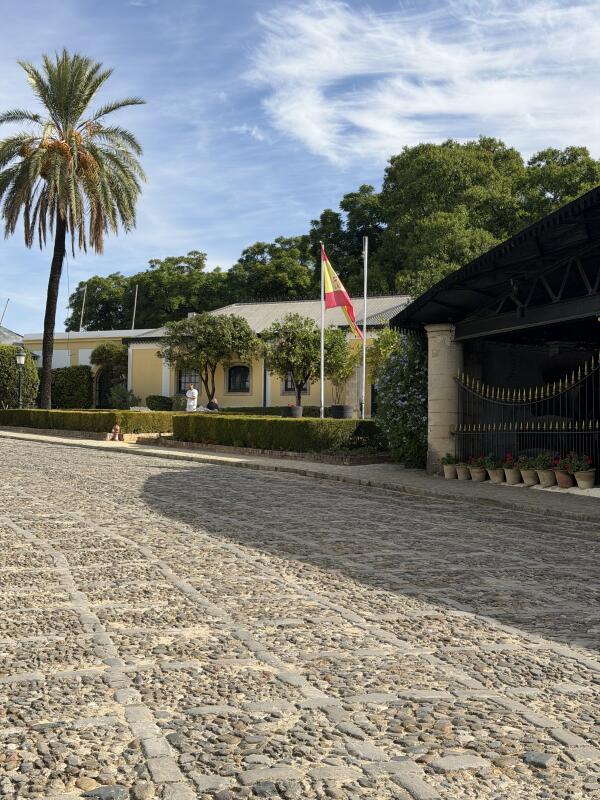
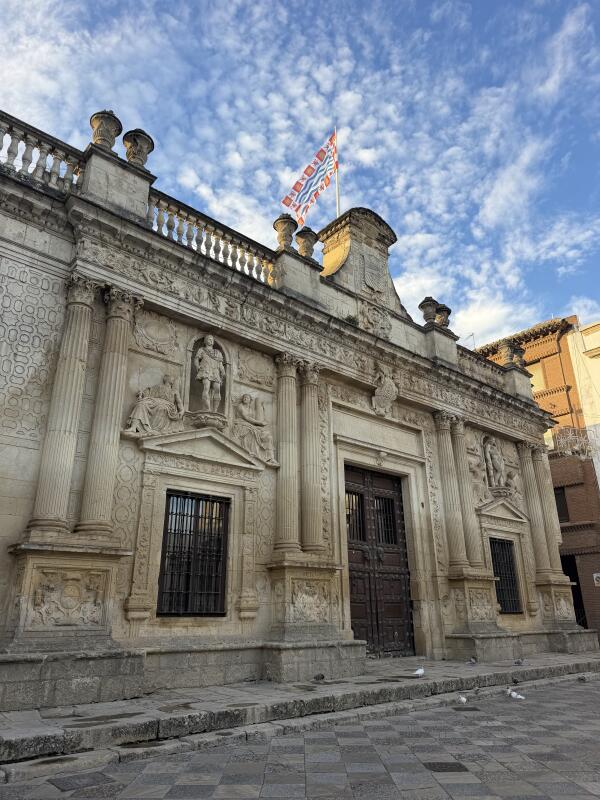
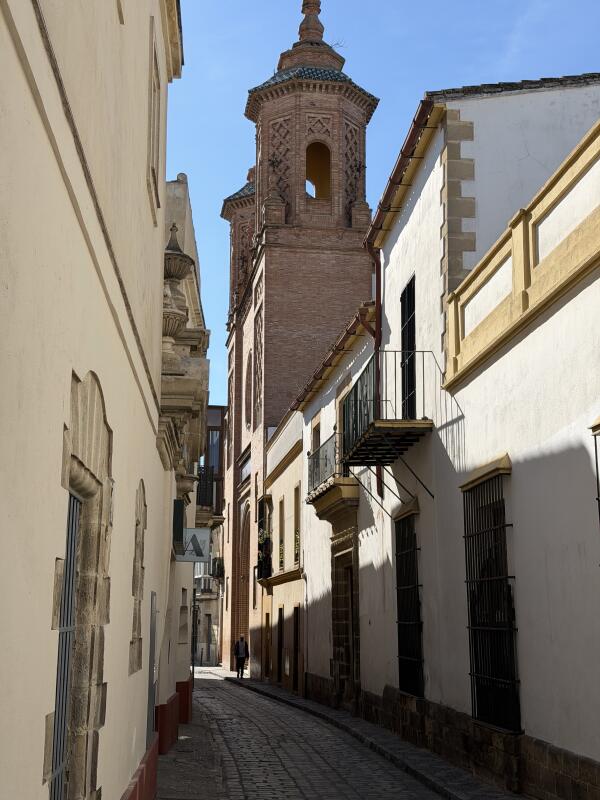
In the historic centre of Jerez, there are many narrow cobblestoned roads, churches, and buildings. Pictured above is the Old City Hall of Jerez de la Frontera, in the Plaza de la Asunción. Also located in the Plaza is The Sherry Gallery is a museum dedicated. See more below.
|
|
Gonzalez Byass was founded in 1835. It is not the oldest Sherry Bodega but today is the one with the highest profile. Each year they host around 250,000 visitors to their winery in the centre of Jerez. It is truly impressive to see the large barrel halls full of aging wine at different stages of the aging cycle. Some halls have been converted to reception areas for the large number of visitors they get each year, for events including weddings along with well-maintained gardens and old trees dating back to the 19th century.
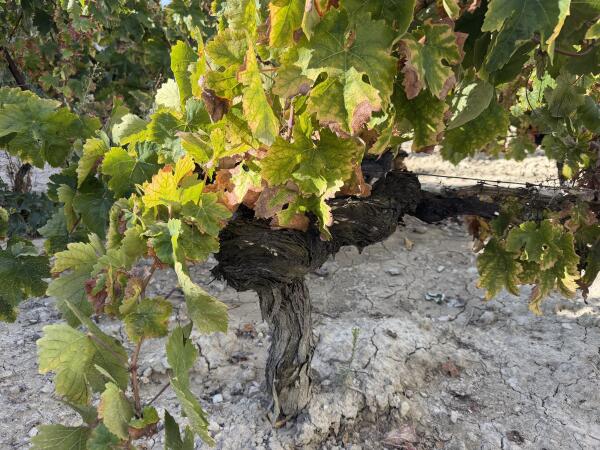
The white Palomino grape is the backbone of sherry (English for Jerez) wine production. The Palomino vine, pictured above is from a small vineyard at Gonzalaz Byass, home of Tio Pepe, a style of sherry wines. The white albariza soils are distinctive to this region.
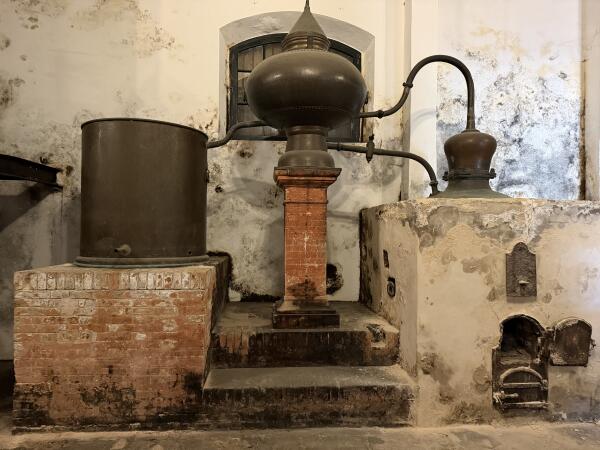
Sherry is a fortified wine with grape spirit or aguardiente added to raise the alcohol on Fino sherries to 15.5% ABV and upward to 22% ABV on Oloroso styles. The wineries or bodegas distill their own spirits to fortify their wines. Pictured above is a pot still at Gonzalaz Byass.
|
|
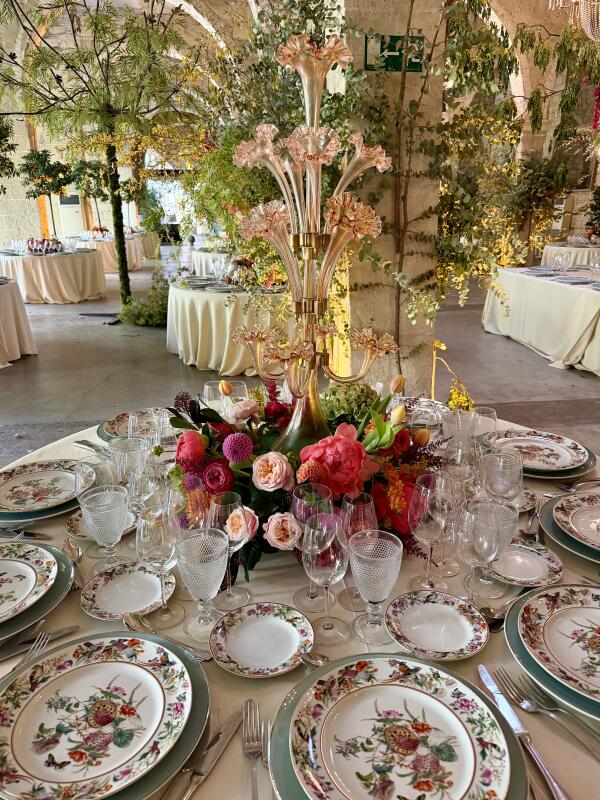
Today, it is possible to visit many of the bodegas located in and around Jerez. I was privileged to have a private tour at Gonzales Byass, arranged by Negociants New Zealand, just as they were setting up to host a wedding in a former barrel hall with the most impressive table settings and floral decor. I also learnt more about Spanish Brandy and how its unique flavour profile is derived from aging in old sherry casks.
|
|
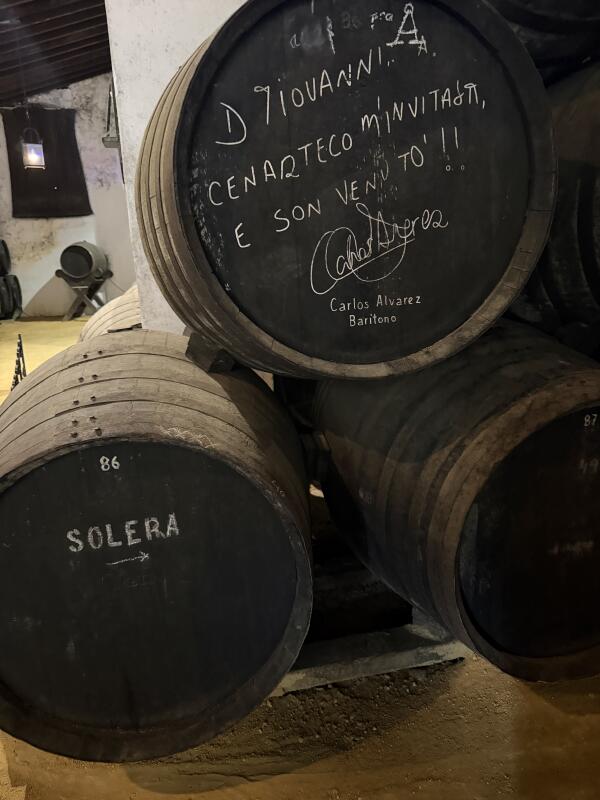
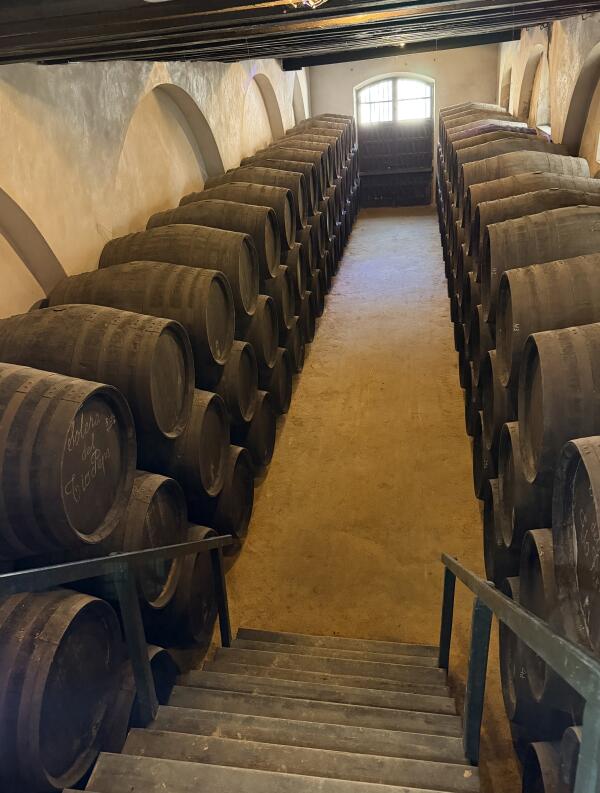
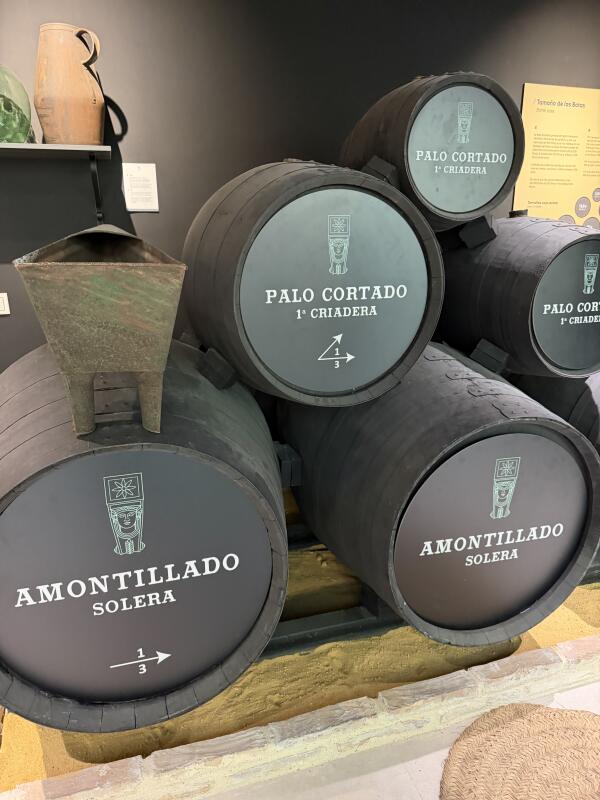
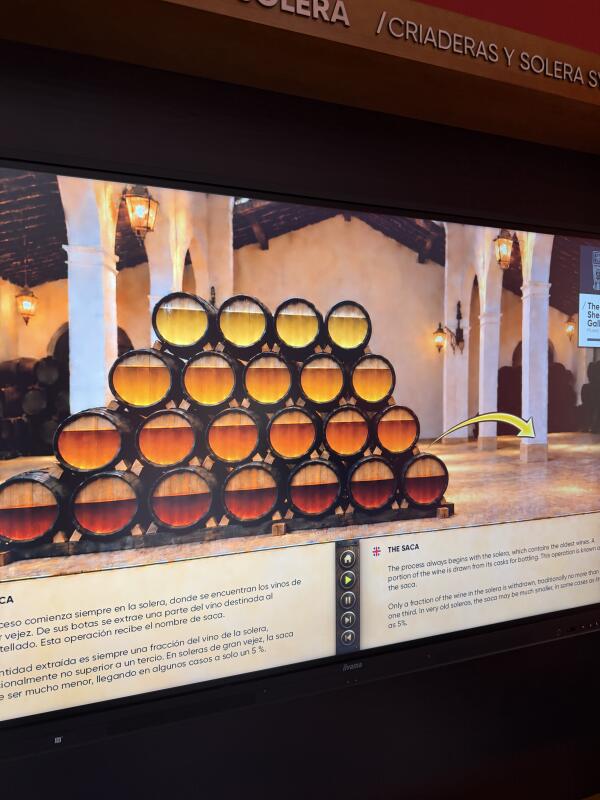
Sherry is aged in casks or butts in what is referred to as the Crianderas and Solera system. This allows wines to be blended together to create a consistency of styles. The sherry casks are arranged in tiers with oldest wines at the bottom and the wines topped up by hand to eliminate variation. Read more here.
|
|
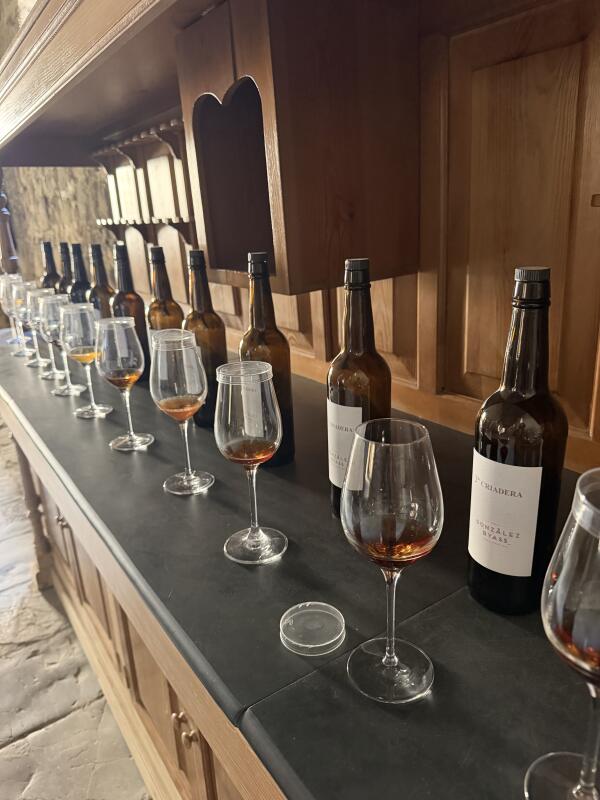
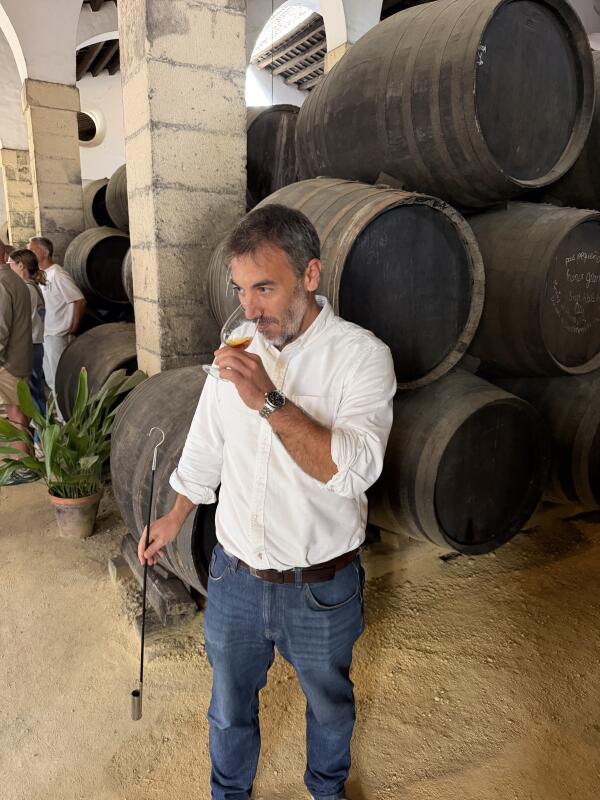
When tasting sherry at a Bodega, there is a special technique using the venecia, a metal rod with a cylinder-shaped cup that is passed through the bung-hole of the cask to take the wine. It is then swung in the air to gently aerate the wine before pouring into a glass.
Styles of Sherry
-
- Manzanilla: Dry, pale lemon, acidic, saline
- Fino: Dry, pale lemon, crisp
- Amontillado: Dry, nutty, amber
- Oloroso: Dry, rich, amber, oxidative, toasted nuts
- Palo Cortado: Dry, amber, umami, toasted nuts
- Sweetened Styles: Pale Cream/Cream Sweet, toffee, caramel
- Pedro Ximénez (PX): Luscious, raisin, figs, caramel
|
|
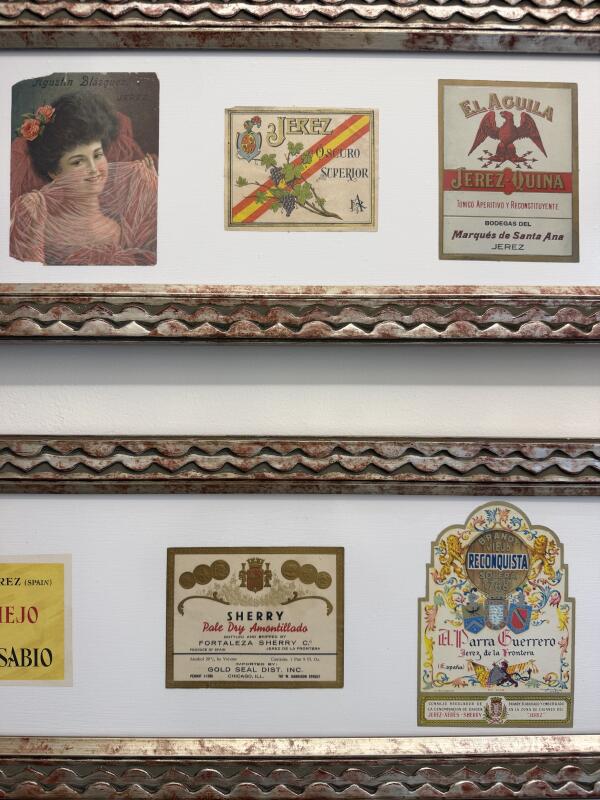
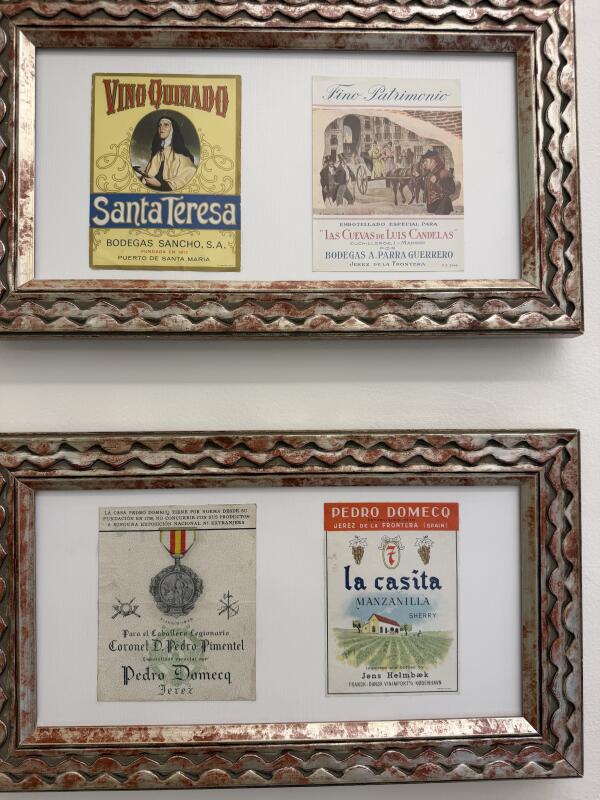
Some of the distinctive and intriguing labels used on sherry bottles. These can be viewed at The Sherry Gallery - a new museum in the centre of Jerez.

|
|
|
|
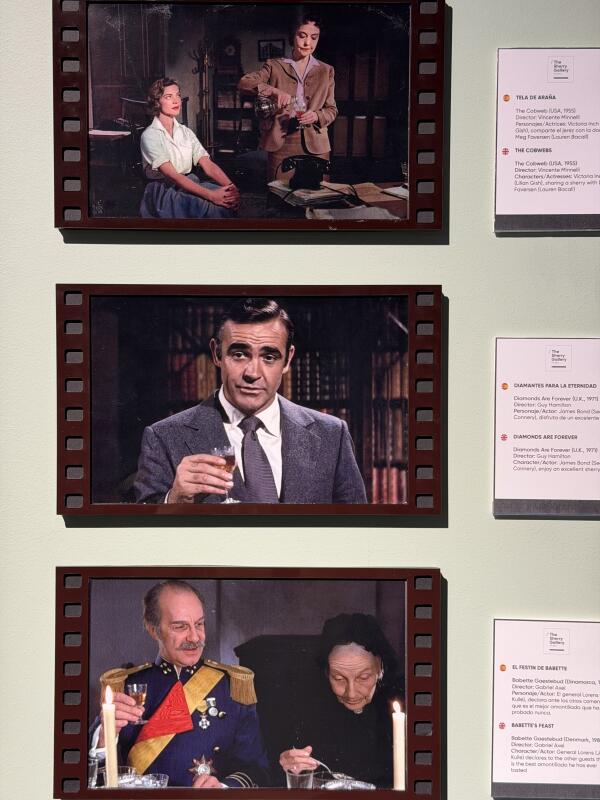
At The Sherry Gallery, you can see recordings of how Sherry has featured in the movies, or as a medicine. You can learn from the digitalised and interactive displays such as the image above which explains the Solera system of blending and aging sherries.
Palace of Domecq
|
|
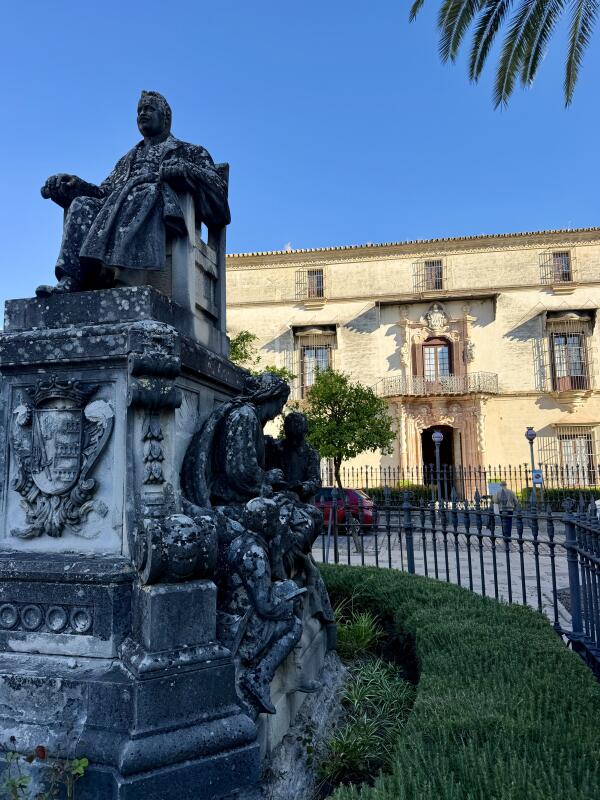
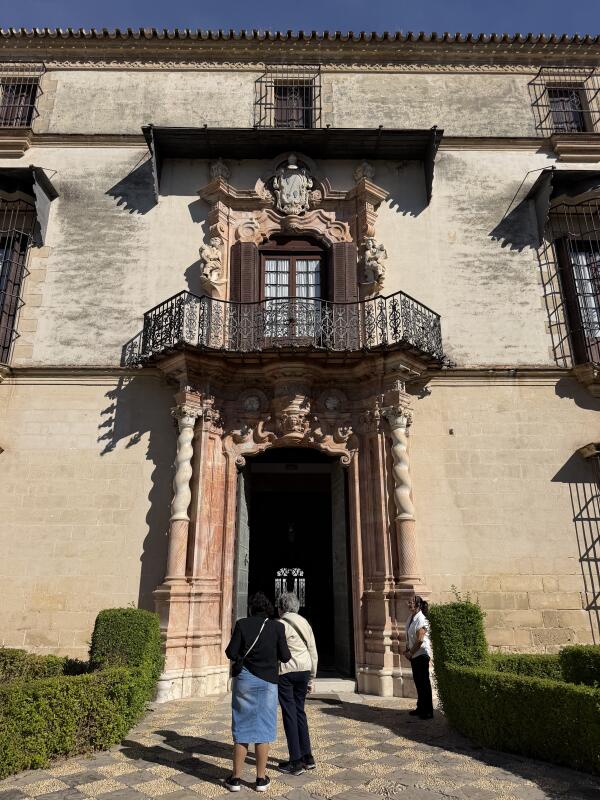
The Domecq Family, originally from France, have played an important role in establishing Sherry as a premium export grape but also as producer of Spanish Brandy. You can visit the Domecq Palace which is located in the centre Jerez. Their story warrants a separate blog especially as there is a New Zealand connection!
Day Trip To Cadiz
|
|
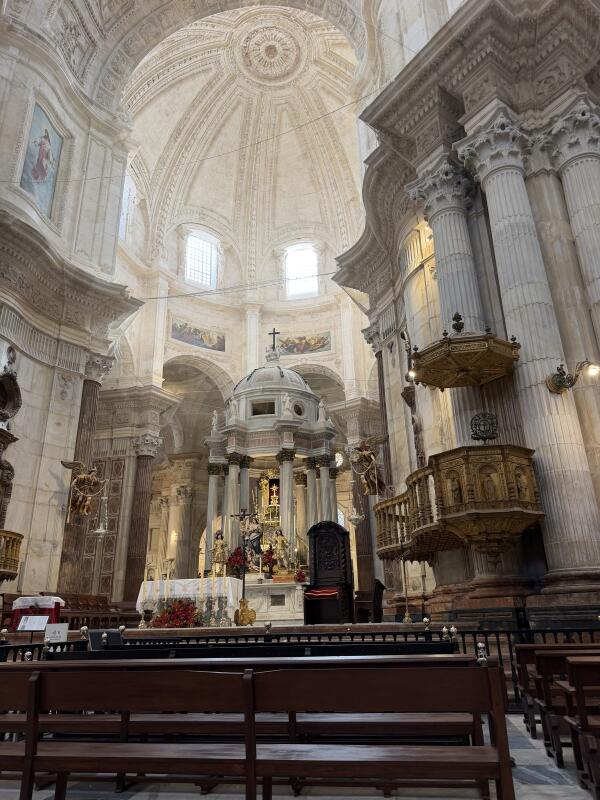
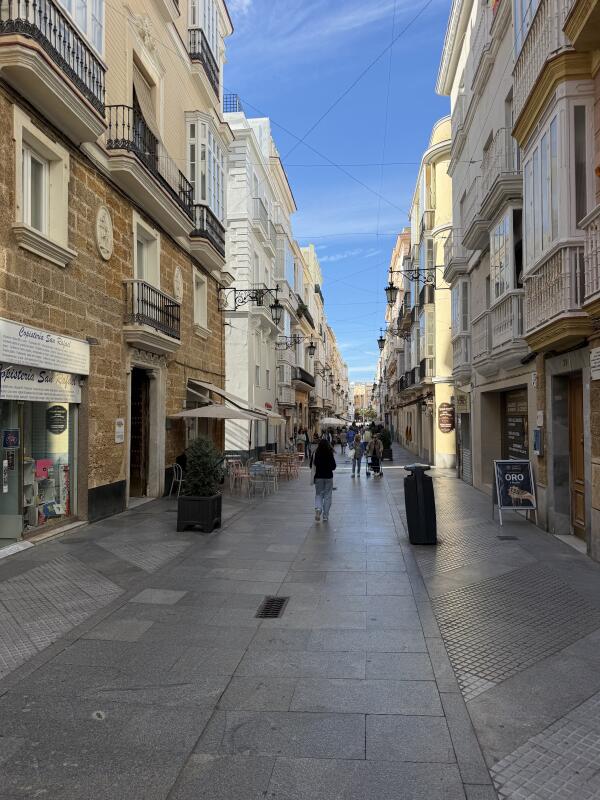
Christopher Columbus sailed from the Bay of Cadiz in 1492, financed by King Ferdinand II of Aragon and Queen Isabella I of Castile. Cadiz is an ancient city located on a narrow peninsula that juts out into the Atlantic Ocean. Cadiz was part of the Roman Empire and later, ruled by the Moors from 711 – 1262.
Cadiz became the leading port of the Spanish Empire for nearly 300 years. This rich history makes it a popular visitor destination. Today, Cadiz City is the capital of Cadiz province.
|
|
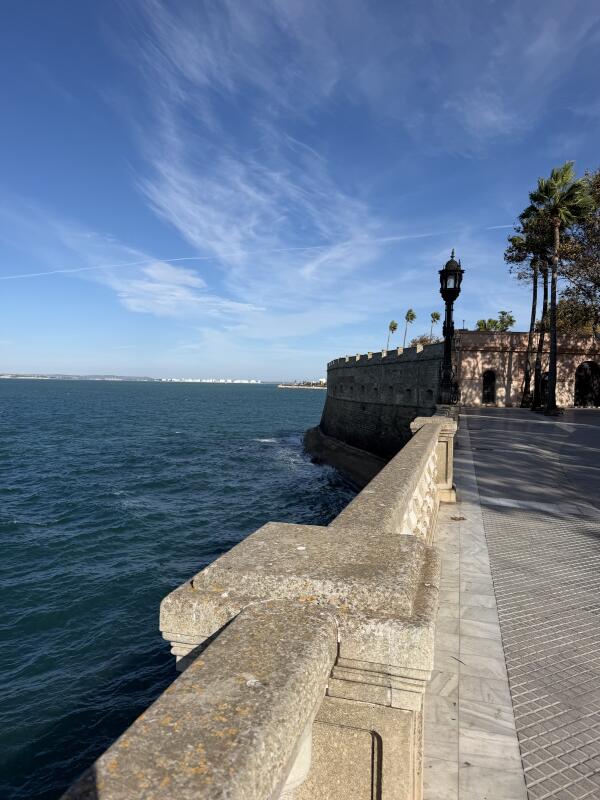
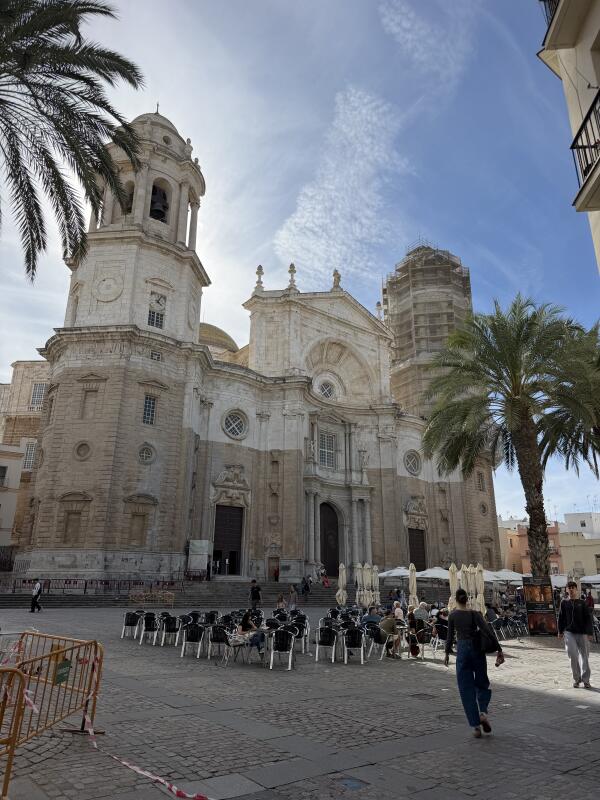
Cadiz Cathedral is located in the old city, not far from Atlantic and harbour. Pictured above is the Baluarte de la Candelaria, built in 1672, which projected Cádiz from invasions as well as providing a breakwater against the Atlantic Ocean.
From more information about Jerez, Cadiz and tourism in Andalusia, please look at these websites.
Celia Hay
November 2026